






Similar products
Similar products




Shipping & policies
- Estimated delivery Jan 5-14
Free and easy returns. Learn more
With Faire, shop unique wholesale products for your store from brands like La Boîte à Cailloux and more.
Description
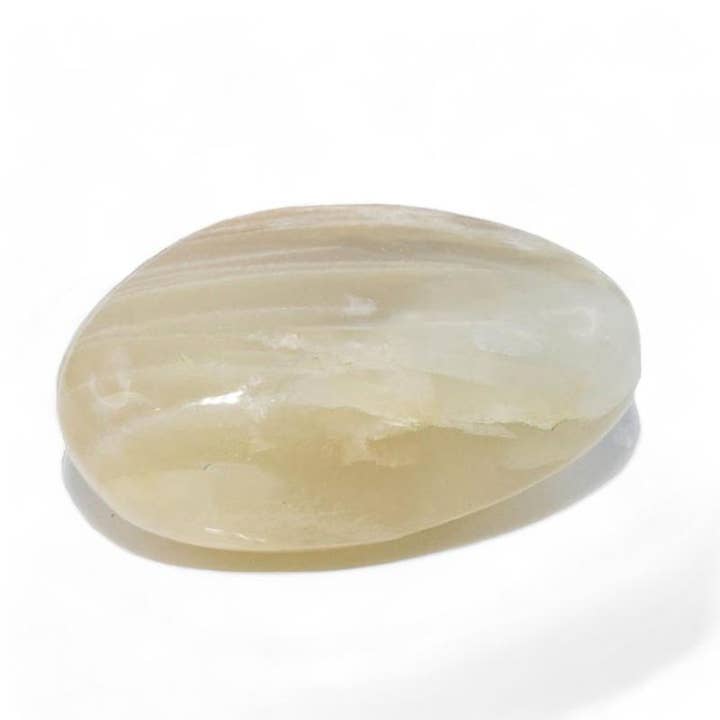
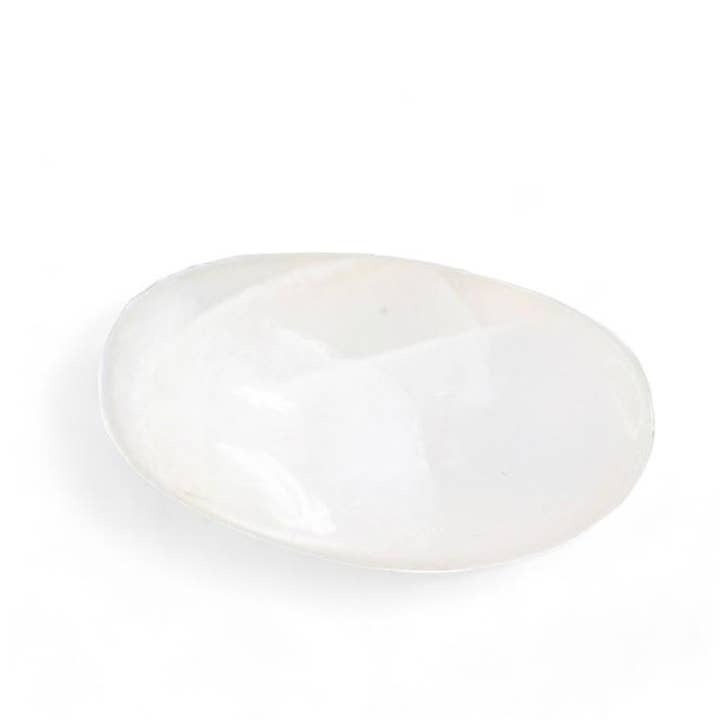
PIEL-R-02 Origin: India Grade: A+ Dimensions: 01-05g - Approximately 5-10mm 05-10g - Approximately 15-25mm 10-20g - Approximately 25-35mm 20-30g - Approximately 35-45mm Origin: India Grade: A+ = high Tumbled moonstone from India. Sold individually Weight choice from 1-5g to 20-30g Patterns and colors vary from one stone to another. The origin of the name moonstone comes from distant civilizations that named stones based on their natural appearance or physical characteristics. The moonstone was named so because of its striking resemblance to the moon. This stone has a soft color with pearly reflections similar to the moon. In ancient times, there was a belief that moonstone was actually solidified pieces of the moon that arrived on earth. However, this name moonstone is purely a commercial designation. The scientific name of this stone is adularia. Indeed, during the 18th century, a significant deposit of this adularia stone was found on Mount Adula, located on the border between Switzerland and Italy. Nowadays, this deposit is unfortunately depleted. Moonstone is also called Hecatolite in homage to Hecate, goddess of the Moon in Greek mythology. No matter what name is given to this stone, it maintains a close connection with the moon, which gives it many virtues. Regardless of civilizations, the Moon and the Sun are celestial bodies that have always fascinated our ancestors. They attributed celestial power to moonstones. It has been shown that lunar cycles play an important role in the environment, the Earth, the seas. They also influence human moods, particularly sleep disturbances. In ancient times, the Greeks adored moonstone, which they named hecatolite stone because of Hecate, their goddess of the moon. They gave it many offerings hoping to receive the power of clairvoyance and protection. This stone was the symbol of fertility and passion. Worn by pregnant women, this stone protected their pregnancy. In ancient Rome, femininity and the gift of clairvoyance were associated with moonstone. At the same time, this stone represented Diana, goddess of the moon and animals. She had the power to change friendly feelings into romantic feelings. She also protected couples. The Indians were convinced that moonstone was a stone that had absorbed many lunar rays. There is another version that explains that moonstone is actually a fragment of the moon that fell to Earth. Nowadays, in India, this pearly stone is still sacred.
This info has been automatically translated.
Details
Made in France Weight: 10 g (0.35 oz)


